Planning event merchandise starts with six core steps: define your goals, set a budget per attendee, choose the right products, confirm production lead times, order samples, and plan fulfillment and distribution. Most standard projects should begin six to eight weeks before an event, while custom product development typically requires 10 to 12 weeks.
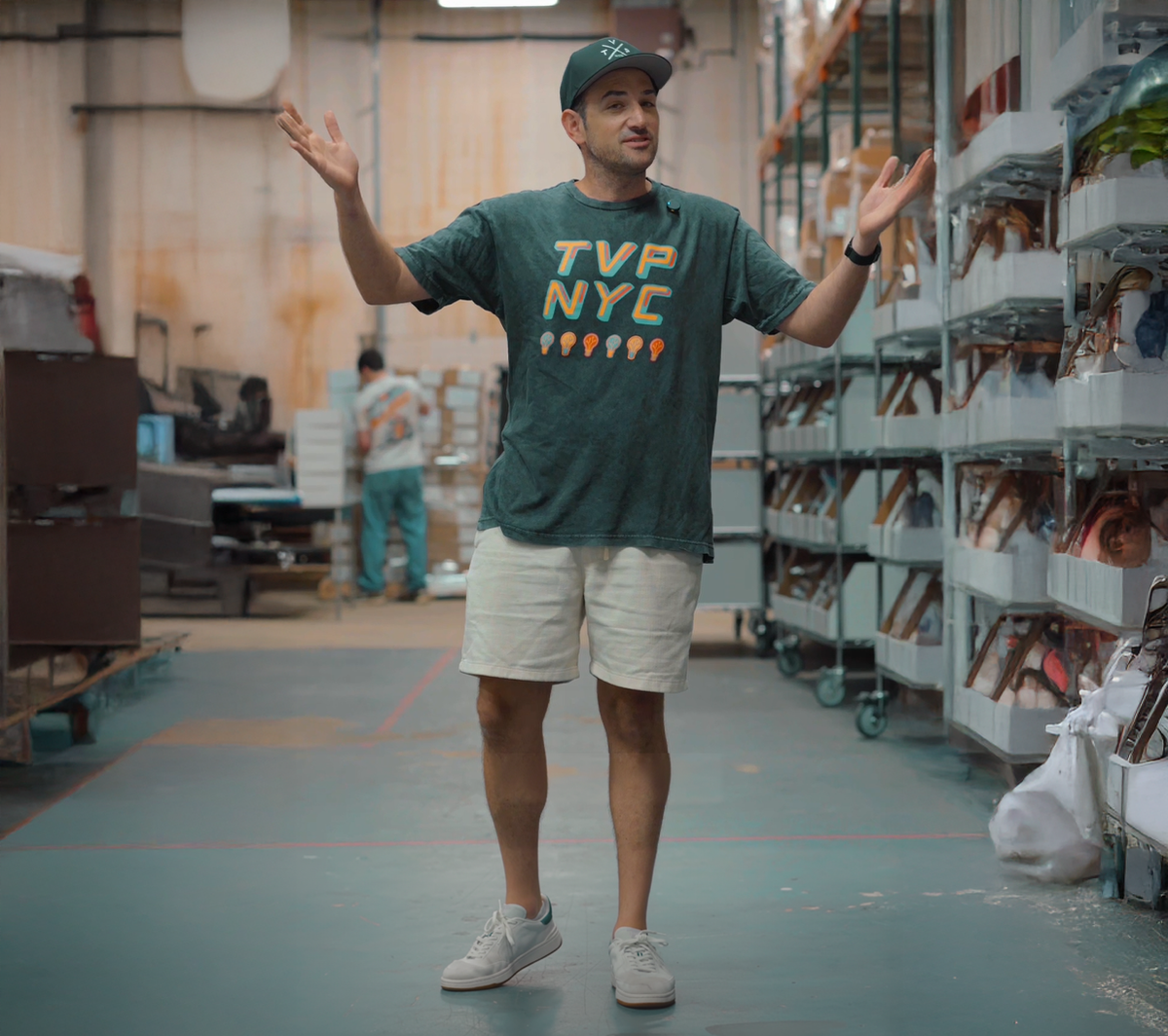
At TVP NYC, we manage the entire process in-house, from sourcing and product development to warehousing, ordering portals, fulfillment, and post-event distribution.
Step 1: Define What the Merchandise Needs to Do
Direct answer: Before choosing products, decide exactly what role your merchandise will play. Everything else depends on this decision.
Different goals require different strategies, budgets, and timelines. A conference giveaway will have completely different requirements than a VIP gift package or a fundraising campaign.
Common objectives include:
- Building brand awareness
- Creating memorable attendee experiences
- Providing staff uniforms
- Selling merchandise for additional revenue
- Supporting fundraising initiatives
- Launching a new product, brand, or campaign
A technology conference with 5,000 attendees might prioritize high-volume giveaways that maximize visibility. A nonprofit gala with 300 attendees may focus on premium gifts that reinforce donor relationships. A celebrity activation might require entirely custom products designed specifically for the campaign.
At TVP NYC, this planning stage is where we determine quantities, product categories, packaging requirements, and distribution methods before production begins.
Step 2: Set a Per-Attendee Budget
Direct answer: Your budget should be established on a per-attendee basis before products are selected.
Many event teams start by choosing products and calculating costs later. That approach often leads to overspending or disappointing compromises.
These ranges provide a useful starting point:
- Event type and typical budget per attendee
- Mass giveaways - $3-$8
- Premium conference kits - $10-$20
- VIP gifts - $15-$40
Executive or celebrity gifting - $50+Remember to account for more than the product itself. Merchandise budgets should also include:
- Packaging
- Warehousing
- Shipping
- Import duties if required
- On-site staffing
- Inventory buffers
- Post-event fulfillment
A practical rule is to order 5% to 10% more inventory than your projected attendance. This helps account for unexpected registrations, damaged products, and last-minute additions.
Specific numbers matter. If 2,000 attendees receive a $5 item, your base merchandise budget is approximately $10,000 before logistics costs are included.
Step 3: Choose Products That Match the Event Type
Direct answer: The best products are the ones people will actually use long after the event ends.
The most successful event merchandise programs focus less on novelty and more on utility.
Conferences and trade shows
Popular options include:
- Tote bags
- Water bottles
- Notebooks
- Lanyards
- Portable chargers
- Apparel
Festivals and live experiences
Popular options include:
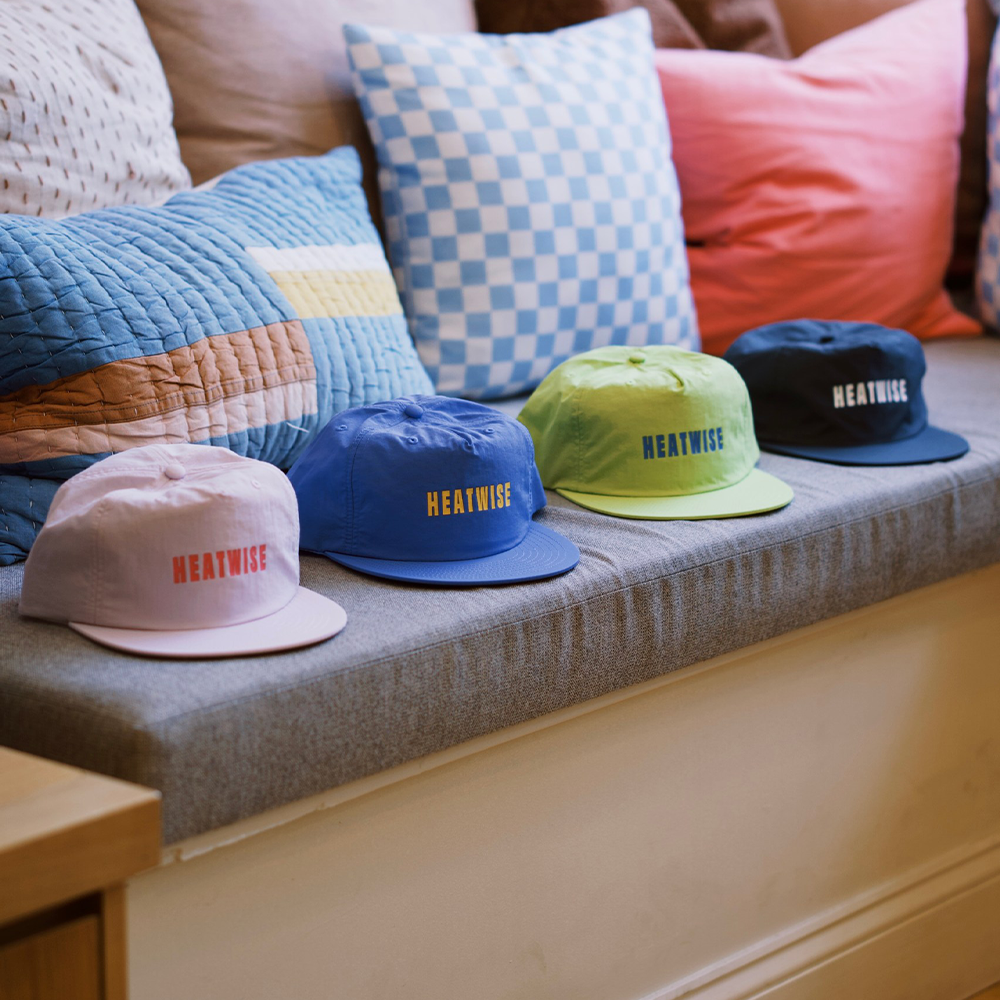
- Hats
- Limited-edition apparel
- Posters
- Drinkware
- Stickers
- Branded accessories
Nonprofit galas
Popular options include:
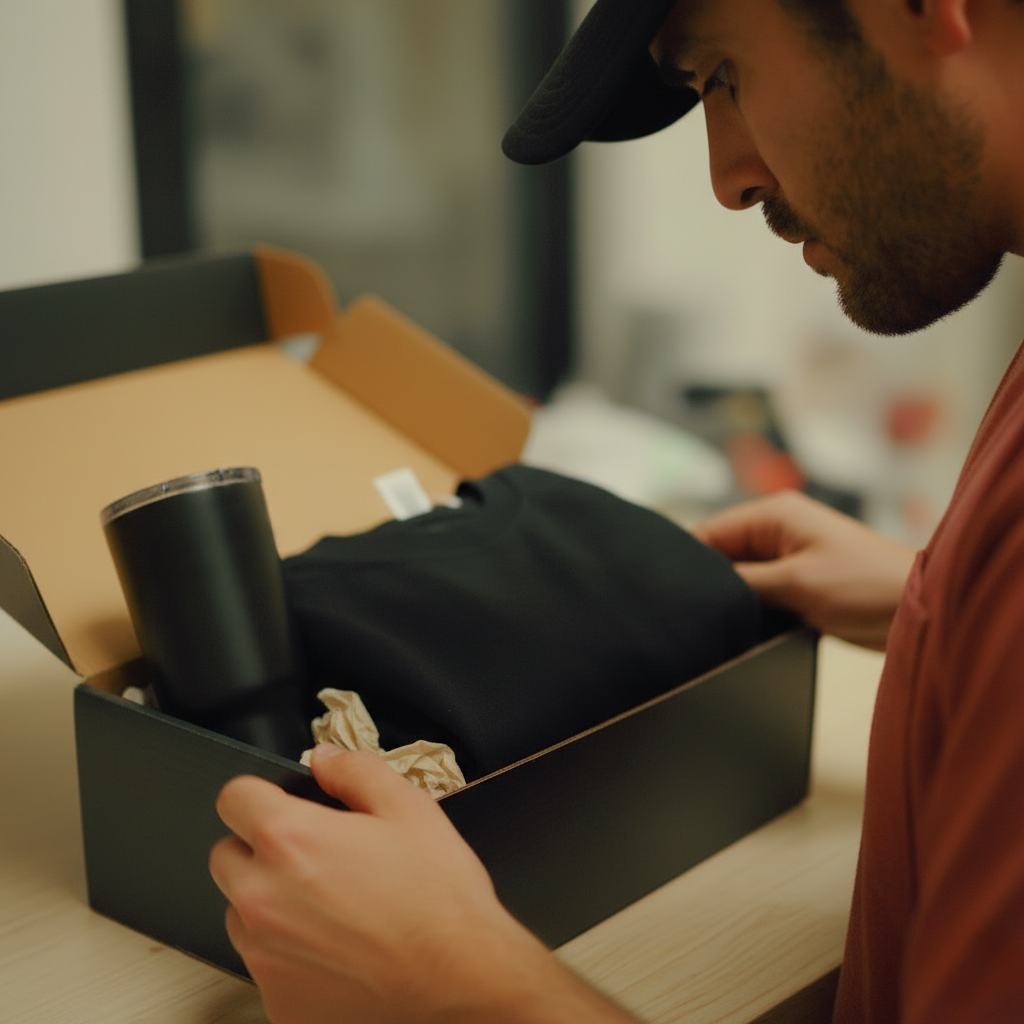
- Premium gift boxes
- Custom journals
- Candles
- Apparel
- Limited-edition collectibles
Celebrity activations and media launches
Popular options include:
- Exclusive collections
- Custom packaging
- Limited-run products
- Collaborator merchandise
- High-end gifting experiences
TVP NYC regularly develops fully customized products rather than relying entirely on standard catalogs. Our custom product development team can source specialized materials, create original packaging, and build collections designed specifically for an event.
This approach is particularly valuable when merchandise is intended to create social media engagement, generate press coverage, or become a revenue source.
Step 4: Confirm Lead Time and Lock It In
Direct answer: Production timelines should be finalized before inventory is committed.
Lead times vary considerably depending on the complexity of the project.
Typical timelines include:
- Standard products - 6-8 weeks
- Large-volume orders - 8-10 weeks
- Custom product development - 10-12 weeks
- Complex packaging projects - 10-12 weeks
- Complex packaging projects - 12 weeks or longer
Production schedules become even more complicated when multiple suppliers are involved.
Artwork approvals, freight delays, customs inspections, packaging revisions, and sample approvals all affect delivery dates.
One of the biggest mistakes event organizers make is assuming that inventory arriving shortly before the event leaves enough time for preparation. Products often need to be counted, assembled, labeled, packed, and distributed before attendees ever arrive.
TVP NYC manages these moving pieces internally to reduce the risk of delays and ensure every component arrives on schedule.
Step 5: Plan Distribution and Fulfillment
Direct answer: Distribution planning should happen before production begins rather than after products arrive.
There are four primary distribution models.
On-site distribution
This is the most common approach for conferences, trade shows, and festivals.
Merchandise may be distributed at registration desks, dedicated pickup locations, VIP lounges, or staff stations.
Pre-event ordering portals
Ordering portals allow attendees to select sizes, products, and shipping destinations before the event takes place.
This approach significantly reduces waste while improving the attendee experience.
Post-event fulfillment
Not every item has to be handed out in person.
Many organizations now ship products after the event, especially when inventory includes multiple sizes or customized products.
Hybrid distribution
Some products are distributed on-site while others are fulfilled later.
TVP NYC supports all four models through our in-house operations team. We also provide custom Ordering Portals and utilize Phantom Commerce technology to simplify inventory management, track fulfillment, and coordinate large-scale distribution programs.
This approach is particularly useful for national campaigns, nonprofit fundraising initiatives, and large conferences with thousands of attendees.
Step 6: Order a Sample or Prototype Before Full Production
Direct answer: Never commit to a full production run without reviewing a sample first.
Photographs and digital mockups rarely tell the entire story.
A sample allows you to verify:
- Material quality
- Print accuracy
- Color consistency
- Packaging design
- Sizing
- Durability
Prototype development is especially important when working with custom products.
A small adjustment to packaging dimensions, fabric weight, or decoration methods can significantly improve the final result while preventing costly mistakes.
At TVP NYC, sample approvals are built directly into our production process because identifying problems early is far less expensive than correcting them after thousands of units have already been produced.
Event Merchandise Planning Checklist
Use this checklist as your starting point:
- Define the goal of the merchandise program.
- Determine your attendee count.
- Establish a budget per attendee.
- Select products appropriate for the event.
- Confirm production timelines.
- Order samples and prototypes.
- Finalize quantities.
- Decide on distribution methods.
- Set up ordering portals if required.
- Coordinate warehousing and fulfillment.
- Prepare inventory buffers.
- Confirm delivery dates.
Frequently Asked Questions
How far in advance should I order event merchandise?
Standard event merchandise orders should ideally begin six to eight weeks before the event date. Projects involving custom products, original packaging, or prototypes should begin 10 to 12 weeks in advance.
How much should I budget per attendee for swag?
Mass giveaway items generally cost between $3 and $8 per attendee. Premium gifts often range from $15 to $40 per attendee, while executive-level gifts frequently exceed $50 per person.
What's the difference between mass giveaway swag and VIP gifting?
Mass giveaway programs prioritize scale, efficiency, and visibility. VIP gifting programs prioritize quality, exclusivity, presentation, and long-term brand impact.
Can event merchandise be fulfilled and shipped after the event instead of handed out on-site?
Yes. Many organizations now combine on-site distribution with post-event fulfillment. This approach simplifies inventory management, reduces waste, and allows attendees to choose sizes or shipping destinations through dedicated ordering portals.
Planning event merchandise becomes much easier when sourcing, production, warehousing, and fulfillment are managed together. If you'd like help building an event merchandise strategy, book a call with TVP NYC or explore our Custom Event Swag solutions.