



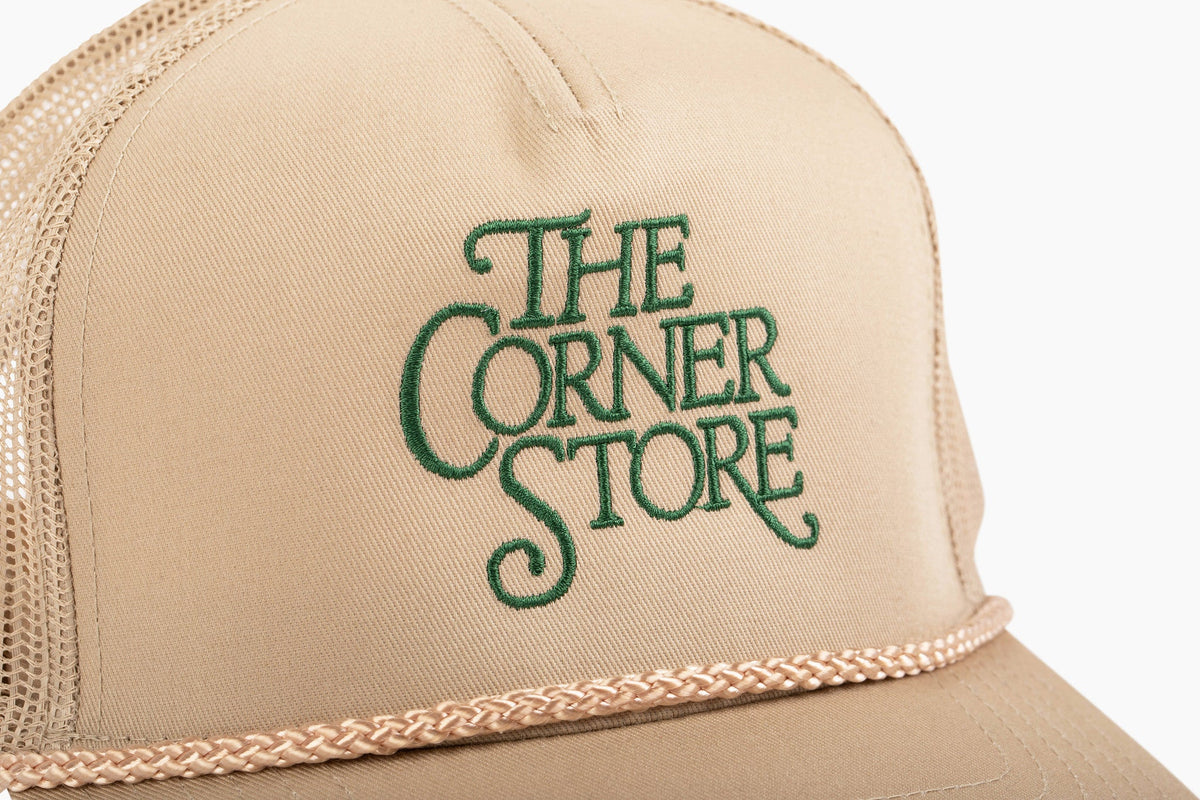
For restaurant groups, branded merchandise is about more than ordering uniforms or putting a logo on a T-shirt. It's an ongoing operational requirement that touches multiple locations, employees, opening schedules, inventory and customer experience.
As a restaurant business grows, managing these needs through individual product orders and disconnected suppliers quickly becomes complicated. One location needs new uniforms, another is preparing for an opening, employees need replacement apparel, and the marketing team wants to introduce a new line of branded retail merchandise. Without a coordinated system, every request becomes another purchasing and fulfillment exercise.
That's why growing restaurant groups need more than a restaurant merchandise supplier. They need a centralized merchandise program that keeps everything organized, consistent and moving.
The Challenge of Managing Merchandise Across Multiple Locations
A single restaurant might have relatively straightforward merchandise requirements. A multi-location group is a different story.
Each location has its own staffing levels, operational requirements and inventory needs. New employees need uniforms, existing team members need replacements, managers may need additional supplies, and new openings require merchandise to arrive on schedule.
When these requests are handled individually, the administrative burden grows. Ordering becomes inconsistent, products vary between locations, and there's little visibility into what's been purchased, what's available and what needs replenishing.
A centralized restaurant merchandise program gives teams a more structured way to manage these requirements. Products, ordering processes, approvals and fulfillment can be coordinated centrally while still accommodating the needs of individual locations.
Restaurant Uniforms Need a Program, Not Just an Order
Restaurant uniforms are one of the most consistent merchandise requirements for hospitality businesses. They also present some of the biggest logistical challenges.
Different roles may require different apparel, sizes and accessories. Staff turnover creates ongoing replacement needs, while brand updates, seasonal changes and new openings can introduce additional requirements.
A well-managed restaurant uniform program makes it easier to standardize products across the business without making every order a manual project.
Employees and location managers can access approved products through a dedicated ordering process, while head office maintains control over branding, product selection and purchasing guidelines. Inventory can be managed centrally, making it easier to plan for replenishment and avoid last-minute shortages.
The result is a more reliable experience for employees and less time spent coordinating uniform orders.
New Restaurant Openings Require Coordinated Merchandise
Opening a new location involves dozens of moving parts. Merchandise should be one of the things that runs smoothly in the background, not another item on an already crowded opening checklist.
From staff uniforms and manager apparel to branded supplies, promotional items and retail merchandise, new locations often need a significant volume of products delivered within a defined timeframe.
Without a coordinated process, teams can end up sourcing items separately, chasing delivery updates and managing multiple vendors. There's also the risk of inconsistent products or missing inventory when opening day arrives.
A centralized merchandise operation makes it possible to plan opening requirements in advance, coordinate production and purchasing, and organize location-specific shipments. Standardized merchandise kits can also help ensure each new restaurant receives the products it needs without starting the process from scratch.
For restaurant groups with ongoing expansion plans, having this infrastructure in place makes each new opening easier to manage.

Employee Ordering Shouldn't Create More Work for Managers
Employee merchandise is another area where informal ordering processes can quickly become inefficient.
When staff need uniforms or branded apparel, the process should be simple. But collecting sizes, managing requests, confirming approvals and coordinating deliveries can create a surprising amount of administrative work, particularly across multiple locations.
A dedicated company store or employee ordering portal provides a more efficient alternative.
Employees can browse approved merchandise and place orders through a centralized storefront. Depending on the program, ordering can be organized by location, role or employee eligibility, with permissions and approvals built into the process.
This gives employees a consistent way to access what they need while reducing the workload for restaurant managers and corporate teams.
It also creates greater visibility into ordering activity, helping the business understand demand and plan inventory more effectively.
Branded Restaurant Merchandise Is Also a Retail Opportunity
Merchandise isn't exclusively an operational expense. For many restaurant brands, it can also become an extension of the customer experience.
Branded apparel, hats, drinkware, accessories and other retail products can create additional revenue opportunities while building stronger connections with customers. For restaurant groups with established brand recognition, restaurant swag can become a meaningful part of the brand beyond the dining experience.
However, retail merchandise introduces another layer of complexity. Products need to be developed, sourced, produced, stocked and distributed. Some items may be available across every location, while others might be exclusive to particular restaurants, seasonal campaigns or limited releases.
Managing these products through the same disconnected purchasing processes used for uniforms can make inventory and fulfillment difficult to coordinate.
A structured hospitality merchandise program brings these activities together, helping brands manage both internal merchandise requirements and customer-facing retail products through a more consistent operation.
Inventory, Approvals and Fulfillment Need to Work Together
The real challenge isn't necessarily sourcing the products. It's managing everything that happens around them.
Restaurant groups need visibility into inventory across locations, clear approval processes, reliable replenishment and fulfillment that can accommodate different delivery requirements.
Head office may need to approve new products and control brand standards, while individual locations require flexibility to order according to their operational needs. Purchasing teams need visibility into costs and demand, and employees need a straightforward way to access approved merchandise.
A well-designed merchandise system connects these moving parts.
This can include centralized product catalogs, dedicated company stores, location-specific ordering permissions, inventory management, purchasing coordination, warehousing and pick-and-pack fulfillment. Orders can be consolidated where appropriate or shipped directly to individual locations, employees or customers.
Instead of managing multiple suppliers, spreadsheets and individual requests, the business has a coordinated operation with clearer processes and greater accountability.
From Merchandise Supplier to Merchandise Partner
A traditional restaurant merchandise supplier typically focuses on providing products in response to individual orders. That can work for occasional purchases, but it doesn't address the ongoing operational requirements of a growing restaurant group.
A merchandise partner looks at the entire program: what needs to be sourced, how products should be managed, where inventory should be held, who can order, how approvals work and how everything gets delivered.
At TVP, we help businesses build and manage these merchandise operations. From product sourcing and development to company stores, inventory management, warehousing and fulfillment, we bring the infrastructure together so restaurant teams don't have to coordinate every detail themselves.

Whether you're managing uniforms across dozens of locations, preparing for new openings, building an employee merchandise store or developing a retail merchandise program, the goal is the same: make branded merchandise easier to manage as the business grows.
Because restaurant merchandise shouldn't be another operational headache. It should be a system that works behind the scenes, keeping every location, employee and customer experience connected.

